Navigating the changes of midlife often brings questions about managing common menopausal experiences, such as hot flashes. Many women explore botanical options, with red clover and black cohosh frequently appearing in discussions.
This post contains affiliate links. As an Amazon Associate we earn from qualifying purchases at no extra cost to you.
Understanding the current evidence for these botanicals can help women make informed decisions. This article provides an evidence-based comparison of red clover isoflavones and black cohosh regarding their potential role in supporting comfort during hot flashes.
Understanding Hot Flashes in Midlife
Hot flashes, also known as vasomotor symptoms, are a hallmark of menopause for many women. They are characterized by sudden feelings of heat, often accompanied by sweating and flushing, and can range in intensity and frequency. These experiences can significantly impact daily life and sleep quality.
As women seek ways to manage these symptoms, interest in non-hormonal and botanical approaches has grown. Red clover and black cohosh are two such botanicals that have been the subject of research for their potential effects on menopausal comfort.
Red Clover Isoflavones and Hot Flashes: The Evidence
Red clover (Trifolium pratense) is a source of isoflavones, plant compounds that have a structure similar to estrogen. This similarity has led to interest in their potential effects on menopausal symptoms, including hot flashes [1]. The idea is that these phytoestrogens might interact with estrogen receptors in the body, potentially offering a mild influence during periods of fluctuating hormone levels.
Research into red clover’s efficacy for hot flashes has yielded mixed results. Some studies have explored its potential, while others have not demonstrated a significant benefit. The most rigorous test is a four-arm, double-blind randomized controlled trial published in 2009, which compared standardised red clover, standardised black cohosh, placebo, and conventional hormone therapy in the same group of symptomatic women over 12 months. Vasomotor symptom frequency fell 57% on red clover against 63% on placebo, and only the hormone therapy arm differed significantly from placebo: red clover did not reduce hot flashes more than the placebo in that trial [2]. A 2011 commentary reviewed that same trial and analysed why neither botanical showed a benefit [3]. Those two references describe one study, not two. This variability in findings underscores the complexity of studying botanical supplements and the importance of looking at the body of evidence as a whole when considering red clover for hot flash support.


Black Cohosh and Hot Flashes: What Research Suggests
Black cohosh (Cimicifuga racemosa) is another botanical widely used for menopausal symptoms, particularly hot flashes. Its mechanism of action is thought to be different from that of red clover. While initially believed to have estrogenic properties, later research has suggested that black cohosh may not act through estrogen receptors [4]. Instead, its effects might involve modulating neurotransmitters or other pathways in the body.
Similar to red clover, the evidence for black cohosh’s effectiveness in reducing hot flashes is not entirely consistent across all studies. A comprehensive review by the Cochrane database in 2012 concluded that there was insufficient evidence to support the use of black cohosh for menopausal symptoms due to inconsistent findings and methodological limitations in many trials [5]. However, other reviews have acknowledged its use, noting that some women report benefits [6]. A randomized controlled trial from 2009 also investigated black cohosh for vasomotor symptoms [2]. It’s important to recognize that while some women find black cohosh supportive, the scientific consensus on its efficacy for hot flashes remains debated and requires further robust research [7].
Comparing Red Clover and Black Cohosh for Hot Flash Support
One trial compared them directly. The 2009 four-arm randomized controlled trial tested standardised red clover, standardised black cohosh, placebo, and low-dose conjugated equine estrogen plus medroxyprogesterone acetate in the same group of symptomatic women [2]. After 12 months, the number of vasomotor symptoms fell 34% on black cohosh, 57% on red clover, 63% on placebo, and 94% on hormone therapy. Only the hormone therapy arm differed significantly from placebo, so neither botanical outperformed the placebo in this trial, and both were numerically slightly behind it. The 2011 commentary on that same study reached the same reading and examined why neither product showed benefit [3]. This is an uncomfortable result for either supplement, and it is the single best direct comparison available; it does not mean every red clover trial has found the same thing, but it argues for modest expectations rather than dramatic ones.
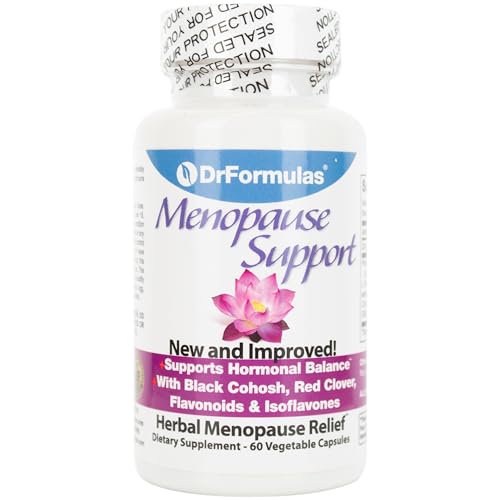
Both botanicals have been explored as alternatives to hormonal approaches for menopausal symptoms [8]. While some women report individual benefits from either red clover or black cohosh, the overall scientific evidence for consistent, widespread efficacy in significantly reducing hot flashes is moderate and often inconsistent across studies. This suggests that individual responses can vary, and what may be helpful for one person might not be for another.
Safety Considerations for Both Botanicals
When considering any botanical supplement, understanding potential safety aspects is crucial. Red clover is generally considered safe for most healthy women when used appropriately. However, due to its phytoestrogenic properties, women with a history of hormone-sensitive conditions or those on hormone-modulating medications should exercise caution and consult with a healthcare provider [1].
Black cohosh has also been studied for its safety profile [2]. While generally well-tolerated, there have been rare reports of liver-related issues associated with black cohosh, though a direct causal link is not always clear. It’s important to use reputable brands and discuss any concerns with a healthcare professional, especially if you have existing liver conditions or are taking other medications [9].
References
- Phytoestrogens: endocrine disrupters or replacement for hormone replacement therapy?. Maturitas, 2003
- Safety and efficacy of black cohosh and red clover for the management of vasomotor symptoms: a randomized controlled trial. Menopause (New York, N.Y.), 2009
- Discussion of a well-designed clinical trial which did not demonstrate effectiveness: UIC center for botanical dietary supplements research study of black cohosh and red clover. Fitoterapia, 2011
- Comparison of hormonal activity (estrogen, androgen and progestin) of standardized plant extracts for large scale use in hormone replacement therapy. The Journal of steroid biochemistry and molecular biology, 2003
- Black cohosh (Cimicifuga spp.) for menopausal symptoms. The Cochrane database of systematic reviews, 2012
- Botanical and dietary supplements for menopausal symptoms: what works, what does not. Journal of women’s health (2002), 2005
- Non-hormonal therapy of post-menopausal vasomotor symptoms: a structured evidence-based review. Archives of gynecology and obstetrics, 2007
- Complementary and alternative medicine for menopausal symptoms: a review of randomized, controlled trials. Annals of internal medicine, 2002
- Menopause: a review of botanical dietary supplements. The American journal of medicine, 2005
These statements have not been evaluated by the Food and Drug Administration. This information is not intended to diagnose, treat, cure, or prevent any disease. Content is for informational purposes only and is not medical advice; consult a qualified healthcare provider before starting any supplement. As an Amazon Associate we earn from qualifying purchases.
