Ready to buy? Check current prices on Amazon and compare deals before you decide.
This post contains affiliate links. As an Amazon Associate we earn from qualifying purchases at no extra cost to you.
Choosing a red clover supplement can feel like a maze, especially when you’re looking for support during midlife and menopause. Understanding what to look for on a supplement label is a crucial step in making an informed decision about what you’re putting into your body.
This guide aims to demystify red clover supplement labels, helping you identify key information regarding quality, ingredients, and potential considerations. Our goal is to empower you with the knowledge to select a product that aligns with your personal wellness goals.
Understanding Red Clover Isoflavones: The Active Components
Red clover (Trifolium pratense) is recognized for its isoflavone content, which are plant-derived compounds. When considering a red clover supplement, the presence and concentration of these isoflavones are often a primary focus. Isoflavones commonly found in red clover include genistein, daidzein, formononetin, and biochanin A. These are the components often highlighted for their potential interactions within the body.
A good red clover supplement label will typically specify the total amount of isoflavones per serving, and sometimes even break down the amounts of individual isoflavones. This information helps you understand the concentration of the active components you are consuming. Look for labels that are transparent about these details, as it indicates a manufacturer’s commitment to providing clear product information.


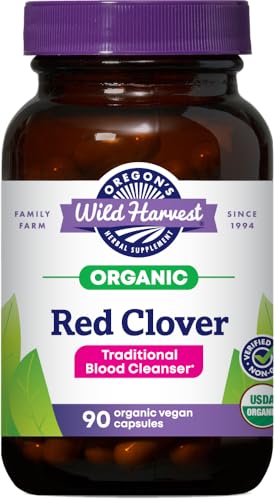

Dosage and Serving Size: What to Look For
The dosage and recommended serving size are critical pieces of information on any supplement label. For red clover supplements, this will tell you how much of the product to take and how frequently. It’s important to pay attention to whether the listed dosage refers to one capsule, two capsules, or another serving size, as this can significantly impact your daily intake.
Manufacturers often provide a suggested daily intake, but individual needs can vary. Always consider your personal wellness goals and discuss with a healthcare professional before adjusting dosages. A clear label will make it easy to understand the amount of red clover extract and total isoflavones you are getting per recommended serving.
Extract Standardization: A Mark of Consistency
When a red clover supplement label mentions ‘standardized extract,’ it’s a positive indicator of quality. Standardization means that the manufacturer has processed the red clover to ensure a consistent amount of the active compounds (isoflavones) in each batch. This can help ensure that you are receiving a predictable dosage of the beneficial components with every serving.
Without standardization, the concentration of isoflavones could vary widely from one batch to another, making it difficult to gauge your intake accurately. Look for labels that clearly state the percentage or amount of total isoflavones the extract is standardized to, for example, ‘standardized to 8% isoflavones’ or ‘containing 80 mg total isoflavones per serving.’ This level of detail offers greater confidence in the product’s consistency.
Other Ingredients: Fillers, Binders, and Allergens
Beyond the red clover extract itself, supplement labels list ‘other ingredients.’ These can include fillers, binders, anti-caking agents, capsule materials (like gelatin or cellulose for vegetarian capsules), and sometimes flavorings or colorings. While some of these are necessary for the manufacturing process, a shorter list of ‘other ingredients’ is often preferred by those looking for a ‘cleaner’ product.
It’s also essential to check for potential allergens. Labels should clearly state if the product contains common allergens such as soy, dairy, gluten, nuts, or shellfish. If you have dietary restrictions or sensitivities, carefully reviewing this section is crucial to avoid unwanted ingredients. Some manufacturers also specify if their products are non-GMO or organic, which can be important considerations for some individuals.
Third-Party Testing and Quality Certifications
While not always explicitly on the front of the label, some manufacturers indicate third-party testing or quality certifications. These certifications, often from independent organizations, verify that the product contains what it claims to contain and is free from harmful contaminants. Examples include NSF Certified, USP Verified, or GMP (Good Manufacturing Practices) certified.
When a supplement undergoes third-party testing, it adds an extra layer of assurance regarding its purity, potency, and quality. If a label mentions such testing or certifications, it suggests a commitment to transparency and product integrity. If this information isn’t on the label, you might find it on the manufacturer’s website, which can be a valuable resource for further research.
These statements have not been evaluated by the Food and Drug Administration. This information is not intended to diagnose, treat, cure, or prevent any disease. Content is for informational purposes only and is not medical advice; consult a qualified healthcare provider before starting any supplement. As an Amazon Associate we earn from qualifying purchases.
