When exploring red clover isoflavone supplements, women often consider various factors, including the source and processing of the ingredients. Two common points of interest are whether a product is organic and non-GMO. Understanding what these terms mean in the context of red clover can help you make informed decisions.
This post contains affiliate links. As an Amazon Associate we earn from qualifying purchases at no extra cost to you.
This article will delve into the current considerations surrounding organic and non-GMO red clover isoflavone supplements, examining the available evidence and what it might mean for your choices. It’s important to remember that research in this specific area, particularly concerning human health outcomes, is still developing.
Understanding Organic Certification for Red Clover
Organic certification for plants like red clover generally refers to cultivation practices that avoid synthetic pesticides, herbicides, genetically modified organisms (GMOs), and synthetic fertilizers. The focus is on promoting ecological balance and conserving biodiversity. For red clover, this would mean the plant is grown using methods that adhere to specific organic standards set by regulatory bodies.
When you see an ‘organic’ label on a red clover isoflavone supplement, it indicates that the red clover used in the product, and potentially other ingredients, has been grown and processed according to these established organic guidelines. This can be a key consideration for individuals who prioritize agricultural practices that minimize environmental impact and exposure to synthetic chemicals.
Non-GMO Considerations for Red Clover Isoflavones
GMO stands for ‘genetically modified organism.’ A non-GMO label indicates that a product is free from ingredients that have been genetically engineered. For red clover, this would mean that the plant itself has not had its genetic material altered through biotechnology in a way that does not occur naturally.
Currently, red clover (Trifolium pratense) is not widely known to be a genetically modified crop in commercial agriculture for human consumption. However, as with any plant-derived ingredient, some consumers prefer to see a ‘non-GMO’ verification to ensure that the source material meets their preferences regarding genetic modification. This label provides assurance for those who wish to avoid GMOs in their supplements.
Red Clover in Animal Feed and Isoflavone Content
While direct research on organic and non-GMO red clover’s impact on human health outcomes from supplements is limited, some studies have explored red clover in animal agriculture. For example, research has examined the effects of red clover isoflavones on lactation performance, milk quality, and nitrogen metabolism in dairy cows [1]. Another study investigated how clover-grass silages and concentrate supplementation influence the content of phytoestrogens in dairy cow milk [2].
These studies, while not directly addressing human supplement use or the organic/non-GMO aspect, illustrate that red clover and its isoflavone content are areas of scientific interest. The findings concerning dairy cows suggest that the type of feed, including red clover, can influence the phytoestrogen levels in their milk [2]. This indirectly highlights the potential for agricultural practices to influence plant compounds, though specific links to organic or non-GMO human supplements require further investigation.
Why Choose Organic Red Clover Isoflavone Supplements?
For many individuals, choosing an organic red clover isoflavone supplement aligns with a broader lifestyle preference for products that are perceived to be more ‘natural’ or sustainably produced. The organic certification process aims to ensure that the red clover is grown without synthetic pesticides or fertilizers, which some people prefer to avoid.
While there isn’t specific research directly comparing the efficacy or safety of organic versus conventionally grown red clover isoflavone supplements for human health, the choice often comes down to personal values regarding agricultural practices and ingredient sourcing. For those prioritizing environmental considerations or minimizing exposure to certain agricultural chemicals, organic options can be appealing.
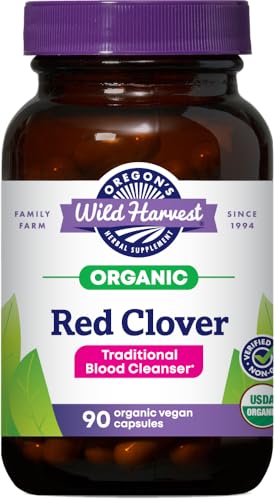
The Value of Non-GMO Verification for Red Clover Supplements
A non-GMO label for red clover isoflavone supplements provides assurance for consumers who specifically want to avoid genetically modified ingredients. While red clover is not a primary GMO crop, ensuring that the source material is verified non-GMO can offer peace of mind.
This verification helps consumers make choices that are consistent with their dietary and ethical preferences. As with organic products, the decision to choose a non-GMO red clover supplement is often driven by personal beliefs about food and agriculture, rather than by direct evidence of differing health outcomes compared to non-verified versions.


References
- Effects of red clover isoflavone on lactation performance, milk quality and nitrogen metabolism in dairy cows. Animal nutrition (Zhongguo xu mu shou yi xue hui), 2025
- Effects of clover-grass silages and concentrate supplementation on the content of phytoestrogens in dairy cow milk. Journal of dairy science, 2008
These statements have not been evaluated by the Food and Drug Administration. This information is not intended to diagnose, treat, cure, or prevent any disease. Content is for informational purposes only and is not medical advice; consult a qualified healthcare provider before starting any supplement. As an Amazon Associate we earn from qualifying purchases.
