Navigating the complex landscape of menopause symptoms can feel like a solo journey, with hot flashes, night sweats, and mood changes often disrupting daily life. Many women seek natural alternatives to conventional hormone therapy, and red clover, a botanical rich in phytoestrogens, frequently emerges as a popular option. But with countless supplements on the market, how do you discern which red clover product truly delivers on its promise, especially when considering crucial safety implications?
This comprehensive guide aims to cut through the marketing noise, providing an evidence-based review of the best red clover isoflavone supplements available in 2026. We will examine the science behind red clover’s potential benefits for menopause, discuss critical safety considerations, particularly for those with estrogen-sensitive conditions, and help you make an informed choice for your well-being.
As an Amazon Associate, we earn from qualifying purchases made through links in this article. This helps support our research and content creation.
Understanding Red Clover and its Phytoestrogens for Menopause
Red clover (Trifolium pratense) is a legume plant widely recognized for its high concentration of isoflavones, a type of phytoestrogen. These plant compounds possess a chemical structure similar to human estrogen, allowing them to bind to estrogen receptors in the body.
The primary isoflavones in red clover are genistein, daidzein, formononetin, and biochanin A [1]. It is believed that the interaction of these compounds with estrogen receptors, particularly beta receptors, contributes to red clover’s observed effects on menopausal symptoms [2][3].
How Phytoestrogens May Influence Menopause Symptoms
During menopause, declining estrogen levels lead to many uncomfortable symptoms. Phytoestrogens from red clover are thought to exert a weak estrogenic effect, potentially mitigating some of these symptoms by partially compensating for the natural estrogen deficit.
This mechanism is distinct from pharmaceutical hormone replacement therapy (HRT), which involves much stronger estrogenic compounds. The nuanced action of phytoestrogens is a key reason for ongoing research and their appeal as a complementary approach.
Red Clover for Hot Flashes: What the Evidence Says
Hot flashes are among the most common and disruptive menopausal symptoms, and red clover is frequently marketed for their relief. Multiple studies have investigated red clover’s efficacy in this area, yielding a range of results.
Some randomized controlled trials have reported a statistically significant reduction in the frequency and severity of hot flashes with red clover isoflavone supplementation [4][5]. These studies often utilize standardized extracts containing specific amounts of total isoflavones.
However, other studies have shown less conclusive benefits, with some finding no significant difference compared to placebo [6][7]. This variability highlights the importance of extract standardization, dosage, duration of use, and individual physiological differences in response.
Timing also differs between trials. One randomized study of a red clover based isoflavone supplement recorded a significant fall in hot flush frequency against placebo after just one month [8], while the pooled analyses that did find a benefit generally measured it at the 12-week mark [7].
Beyond Hot Flashes: Other Potential Benefits
While hot flashes are a primary focus, research has also explored red clover’s potential impact on other menopausal symptoms and overall health.
Bone Health and Red Clover
Estrogen plays a crucial role in maintaining bone density, and its decline during menopause increases osteoporosis risk. Some research suggests that red clover isoflavones may have a positive effect on bone mineral density, particularly in the lumbar spine [9].
The proposed mechanism involves phytoestrogens interacting with bone cells, potentially promoting bone formation or reducing bone resorption. However, the evidence is not yet strong enough to recommend red clover as a primary treatment for osteoporosis [10].
Cardiovascular Health Considerations
Menopause is associated with an increased risk of cardiovascular disease. Preliminary studies have investigated whether red clover isoflavones can favorably influence cardiovascular risk markers, such as cholesterol levels and arterial stiffness.
The findings are mixed rather than uniform. A controlled trial in menopausal women found that systemic arterial compliance, a measure of large-artery elasticity, rose by about 23 percent on 40 to 80 mg of red clover isoflavones while plasma lipids were unchanged [11]. A later randomized trial in postmenopausal women with dyslipidemia did report falls in total cholesterol, LDL cholesterol and triglycerides over three to six months [12]. More extensive, long-term studies are needed to confirm these potential benefits and establish clinical significance.
Safety First: Red Clover and Estrogen-Sensitive Cancers
The most critical consideration for any phytoestrogen supplement, including red clover, is its interaction with estrogen-sensitive conditions, particularly cancers. Because red clover isoflavones can bind to estrogen receptors, concerns naturally arise regarding their use in individuals with a history of or at risk for estrogen receptor-positive (ER+) cancers, such as certain types of breast cancer.
The current scientific consensus is nuanced. While some preclinical studies raised initial concerns, human studies specifically on red clover and breast cancer recurrence or risk are limited and have not definitively shown an increased risk [13][14].
However, the prevailing expert recommendation is one of caution. Oncologists often advise against the use of phytoestrogen supplements in patients with ER+ breast cancer or a strong family history, due to the theoretical potential for estrogenic activity.
It is absolutely imperative to have a thorough discussion with your healthcare provider, especially an oncologist, before considering any red clover supplement if you have a history of cancer, particularly estrogen-sensitive types, or are at high risk. Never self-prescribe in these circumstances.
What to Look For in a Quality Red Clover Supplement (2026)
Choosing a red clover supplement requires careful attention to several factors to ensure efficacy, purity, and safety. The supplement market is vast, and not all products are created equal.
Standardized Isoflavone Content
The most important factor is a standardized extract. Look for products that clearly state the total isoflavone content per serving, typically expressed in milligrams (e.g., “40 mg total isoflavones”). This ensures you are getting a consistent and effective dose.
Research studies showing benefits often use standardized extracts, making this a crucial indicator of a product’s potential efficacy.
Source and Purity
Opt for brands that emphasize sourcing transparency and third-party testing. Certifications from organizations like USP, NSF International, or ConsumerLab indicate that the product has been independently verified for purity, potency, and absence of contaminants.
Avoid products with excessive fillers, artificial colors, or unnecessary additives. A shorter, cleaner ingredient list is generally preferable.
Dosage and Form
Typical daily doses in studies range from 40 mg to 80 mg of total isoflavones [4][6]. Start with the lower end and adjust as advised by your healthcare provider.
Red clover supplements are commonly available in capsule or tablet form. Liquid extracts may also be available, but ensure their isoflavone content is clearly stated and standardized.
Comparing Top Red Clover Isoflavone Supplements (2026)
While we cannot endorse specific brands or products, we can guide you on the characteristics to prioritize when searching for a high-quality red clover supplement. The table below outlines key features to compare.
| Feature | High-Quality Supplement | Lower-Quality Supplement |
|---|---|---|
| Isoflavone Standardization | Clearly states "X mg total isoflavones" per serving. | Lists only "red clover extract" without specifying isoflavone content. |
| Third-Party Testing | Indicates certification (e.g., USP, NSF, ConsumerLab). | No mention of third-party testing or quality assurance. |
| Ingredient Purity | Minimal fillers, non-GMO, often organic. | Contains artificial colors, flavors, or numerous unidentifiable ingredients. |
| Manufacturer Reputation | Established brand with positive reviews and transparency. | Unknown brand, limited information, or questionable claims. |
| Dosage Clarity | Provides clear dosage instructions matching research parameters. | Vague dosage, or excessively high/low doses without justification. |
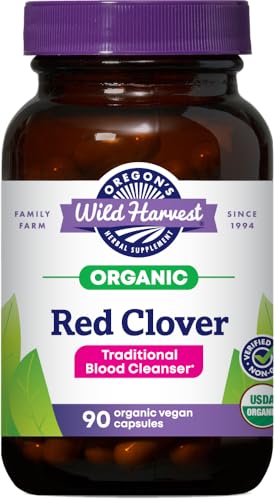
Finding Red Clover Supplements on Amazon
When searching for red clover supplements on Amazon, utilize the search bar with specific terms to filter for high-quality products. Focus on product descriptions that align with the criteria discussed above.
You should look for products labeled as standardized red clover isoflavones to ensure a consistent dose. Another useful search term is red clover extract 40mg isoflavones, targeting products that specify the exact amount of active compounds.
Additionally, consider searching for third party tested red clover to prioritize brands that have undergone independent verification for quality and purity. Always read customer reviews critically and consult product images for ingredient lists and certification seals.
Final Considerations and Recommendations
While red clover holds promise for managing menopausal symptoms, it is not a one-size-fits-all solution. Its efficacy can vary significantly between individuals, and its safety profile, especially concerning estrogen-sensitive conditions, demands careful consideration.

Always prioritize consultation with your healthcare provider before starting any new supplement, particularly if you have underlying health conditions, are taking medications, or have a history of cancer. Your doctor can provide personalized advice based on your individual health profile and risk factors.
Focus on products with clear standardization, third-party verification, and transparent ingredient lists. Remember that supplements are intended to complement, not replace, a healthy lifestyle and medical guidance.
Red Clover Isoflavones FAQ
What are red clover isoflavones?
Red clover isoflavones are plant compounds (phytoestrogens) found in the red clover plant. They have a chemical structure similar to human estrogen and can weakly interact with estrogen receptors in the body.
How long does red clover take to work for hot flashes?
The time frame for experiencing benefits can vary. Some studies suggest improvements may be noticed within 4-8 weeks of consistent use, while others report effects after 12 weeks. Individual responses differ.
Can red clover replace hormone replacement therapy (HRT)?
No, red clover is not a direct replacement for HRT. HRT involves stronger, pharmaceutical-grade hormones. Red clover offers a milder, phytoestrogenic approach and should be discussed with your doctor in the context of your overall treatment plan.
Are there any side effects of red clover?
Red clover is generally well-tolerated. Possible mild side effects can include gastrointestinal upset, rash, or headache. More serious side effects are rare but can include potential interactions with blood-thinning medications or hormone-sensitive conditions.
Who should avoid red clover supplements?
Individuals with a history of estrogen-sensitive cancers (e.g., breast, ovarian, uterine), pregnant or breastfeeding women, and those taking blood-thinning medications should generally avoid red clover or use it only under strict medical supervision.
What is the recommended daily dosage of red clover isoflavones?
Most studies showing benefits for menopausal symptoms use standardized extracts providing 40-80 mg of total isoflavones per day. Always follow product label instructions or the advice of your healthcare provider.
References
- Receptor binding and transactivation activities of red clover isoflavones and their metabolites. The Journal of steroid biochemistry and molecular biology, 2008
- Interaction of estrogenic chemicals and phytoestrogens with estrogen receptor beta. Endocrinology, 1998
- Phytoestrogens derived from red clover: an alternative to estrogen replacement therapy?. The Journal of steroid biochemistry and molecular biology, 2005
- Effects of a standardised extract of Trifolium pratense (Promensil) at a dosage of 80mg in the treatment of menopausal hot flushes: A systematic review and meta-analysis. Phytomedicine : international journal of phytotherapy and phytopharmacology, 2017
- The effect of red clover isoflavone supplementation over vasomotor and menopausal symptoms in postmenopausal women. Gynecological endocrinology : the official journal of the International Society of Gynecological Endocrinology, 2012
- Phytoestrogen supplements for the treatment of hot flashes: the Isoflavone Clover Extract (ICE) Study: a randomized controlled trial. JAMA, 2003
- Evaluation of Clinical Meaningfulness of Red Clover (Trifolium pratense L.) Extract to Relieve Hot Flushes and Menopausal Symptoms in Peri- and Post-Menopausal Women: A Systematic Review and Meta-Analysis of Randomized Controlled Trials. Nutrients, 2021
- Nonhormonal management of postmenopausal women: effects of a red clover based isoflavones supplementation on climacteric syndrome and cardiovascular risk serum profile. Clinical and experimental obstetrics & gynecology, 2013
- The effects of phytoestrogen isoflavones on bone density in women: a double-blind, randomized, placebo-controlled trial. The American journal of clinical nutrition, 2004
- Red clover isoflavones enriched with formononetin lower serum LDL cholesterol-a randomized, double-blind, placebo-controlled study. European journal of clinical nutrition, 2015
- Isoflavones from red clover improve systemic arterial compliance but not plasma lipids in menopausal women. The Journal of clinical endocrinology and metabolism, 1999
- Isoflavones obtained from red clover improve both dyslipidemia and menopausal symptoms in menopausal women: a prospective randomized placebo-controlled trial. Climacteric : the journal of the International Menopause Society, 2024
- Red clover isoflavones are safe and well tolerated in women with a family history of breast cancer. Menopause international, 2008
- Red-clover-derived isoflavones and mammographic breast density: a double-blind, randomized, placebo-controlled trial [ISRCTN42940165]. Breast cancer research : BCR, 2004
These statements have not been evaluated by the FDA. This product is not intended to diagnose, treat, cure, or prevent any disease.


These statements have not been evaluated by the Food and Drug Administration. This information is not intended to diagnose, treat, cure, or prevent any disease. Content is for informational purposes only and is not medical advice; consult a qualified healthcare provider before starting any supplement. As an Amazon Associate we earn from qualifying purchases.
