As you approach or navigate menopause, the search for effective, natural relief from disruptive symptoms like hot flashes and night sweats often leads to a complex landscape of supplements. Among them, red clover, or Trifolium pratense, frequently emerges as a potential ally. But what exactly are red clover isoflavones, and can they truly offer the comfort many women seek?
This comprehensive guide, updated for 2026, delves into the science behind red clover isoflavones. We will explore their benefits, scrutinize the latest research, and, critically, address safety concerns, particularly for those with estrogen-sensitive conditions. Our aim is to provide an evidence-based perspective to help you make informed decisions about your health during this significant life transition.
RedCloverHub.com is a participant in the Amazon Services LLC Associates Program, an affiliate advertising program designed to provide a means for sites to earn advertising fees by linking to Amazon.com and affiliated sites. We may earn a commission from qualifying purchases made through the links on this page.
What Are Red Clover Isoflavones? The Phytoestrogen Connection
Red clover is a common flowering plant belonging to the legume family. Its therapeutic properties are primarily attributed to a group of plant compounds known as isoflavones.
These isoflavones are a type of phytoestrogen, meaning they are plant-derived compounds that can exert estrogen-like effects in the body. The main isoflavones found in red clover are genistein, daidzein, formononetin, and biochanin A.
These compounds have a chemical structure similar enough to human estrogen to bind to estrogen receptors, albeit with a weaker affinity than endogenous estrogen. This interaction is key to understanding their potential impact on menopausal symptoms.
How Red Clover Isoflavones Work: Mechanisms of Action
The primary mechanism through which red clover isoflavones are thought to alleviate menopausal symptoms involves their interaction with estrogen receptors (ERs). There are two main types of estrogen receptors: ER-alpha and ER-beta.
Isoflavones generally exhibit a preferential binding to ER-beta receptors, which are abundant in tissues such as the bone, brain, and blood vessels. This selective binding allows them to exert estrogenic effects in some tissues while potentially acting as anti-estrogens in others.
During menopause, declining estrogen levels lead to various symptoms. Phytoestrogens like red clover isoflavones can partially compensate for this decline by weakly activating ERs, helping to modulate physiological processes that contribute to menopausal discomfort.
Red Clover for Hot Flashes: What the Research Says
Hot flashes and night sweats are among the most common and bothersome menopausal symptoms. Many women turn to red clover isoflavones hoping for relief.
Several studies have investigated red clover’s efficacy in reducing these vasomotor symptoms. A 2014 meta-analysis published in the journal Maturitas found that red clover reduced hot flush frequency compared with placebo when taken for three to four months, a difference of about 1.3 fewer flushes per day, though that benefit was no longer statistically significant at 12 months.[1] The picture is not unanimous: a Cochrane review of 43 randomised trials found no significant difference in hot flush frequency between the red clover extract Promensil and placebo.[2]
However, it is important to note that not all studies have yielded consistently positive results, and the degree of relief can vary among individuals. Factors such as baseline symptom severity, genetic variations in isoflavone metabolism, and the specific composition of the red clover extract may influence outcomes.
A more recent systematic review and meta-analysis, published in Nutrients in 2021, pooled eight trials and reported a statistically significant but modest reduction of about 1.7 hot flushes per day versus placebo, with the clearest signal in postmenopausal women having at least five flushes a day, at isoflavone doses of 80 mg or more, over a 12-week period.[3] Heterogeneity between the pooled trials was high, so larger standardised trials are still needed to settle efficacy and optimal dosing.
Beyond Hot Flashes: Other Potential Benefits
While hot flashes are a primary focus, red clover isoflavones have been explored for other menopause-related concerns.
Bone Health
Estrogen plays a crucial role in maintaining bone density, and its decline during menopause contributes to osteoporosis risk. Preclinical and some clinical studies suggest that red clover isoflavones may have a positive impact on bone mineral density.
A 12-week randomised, double-blind, placebo-controlled trial in 60 menopausal women found that bone mineral density at the lumbar spine declined in the placebo group but not in the group taking a red clover extract.[4] This effect is thought to be mediated by ER-beta agonism, which can promote osteoblast activity and inhibit osteoclast activity. A broader systematic review of 23 randomised trials of phytoestrogens concluded that isoflavones probably benefit bone health in menopausal women, while noting that reports on bone mineral density changes remain conflicting.[5]
Cardiovascular Health
Menopause is associated with an increased risk of cardiovascular disease. Estrogen has protective effects on the cardiovascular system, including improving lipid profiles and maintaining arterial elasticity.
A 2020 systematic review and meta-analysis in Maturitas, pooling ten studies in 910 peri- and postmenopausal women, found that red clover extract lowered total cholesterol by about 11 mg/dL, while the changes in LDL (“bad”) cholesterol, HDL cholesterol and triglycerides were not statistically significant.[6] Heterogeneity between the trials was high and the authors called for further study, so these cardiovascular findings are best treated as preliminary rather than established.
Vaginal Health and Mood
Vaginal dryness and mood changes are also common menopausal symptoms. There is limited but emerging evidence suggesting red clover might offer some relief for vaginal atrophy, likely due to its estrogenic activity on vaginal tissues.
Regarding mood, some women report improvements in anxiety and depression symptoms while taking red clover. However, scientific evidence directly linking red clover to mood enhancement is less conclusive and often confounded by improvements in other symptoms like hot flashes.
Safety and Side Effects: A Critical Discussion
For most healthy women, red clover isoflavone supplements are generally considered safe for short-to-medium term use (up to one year) at recommended doses. Common side effects, when they occur, are usually mild and may include digestive upset, headache, or rash.
However, the phytoestrogenic nature of red clover necessitates careful consideration, especially for individuals with certain health conditions.
Estrogen-Sensitive Cancers: Breast Cancer and Other Hormonal Cancers
This is arguably the most significant safety concern surrounding red clover and other phytoestrogens. Given their ability to interact with estrogen receptors, there is a theoretical concern that they could stimulate the growth of estrogen-sensitive cancers, such as certain types of breast cancer, ovarian cancer, or uterine cancer.
For women with a history of estrogen-receptor positive (ER+) breast cancer, or those at high risk, the use of red clover is generally discouraged. While some preclinical studies suggest potential anti-cancer effects of isoflavones, and some observational studies in Asian populations consuming high amounts of dietary soy isoflavones show lower breast cancer risk, these findings cannot be directly extrapolated to red clover supplements in Western populations or to individuals with existing cancer.
Oncologists typically advise extreme caution or outright avoidance of phytoestrogen supplements in patients with a history of ER+ breast cancer. The potential risks are not fully understood, and the precautionary principle should be applied.
For women without a cancer history but with concerns, a thorough discussion with a healthcare provider is essential. Individual risk factors and family history must be carefully evaluated.
Drug Interactions
Red clover may interact with certain medications. These include blood-thinning medications (anticoagulants), as red clover has mild antiplatelet effects, potentially increasing the risk of bleeding.
It may also interact with hormone replacement therapy (HRT) or oral contraceptives, potentially altering their effectiveness. Individuals taking tamoxifen or other hormone-modulating drugs should strictly avoid red clover without explicit medical guidance.
Pregnancy and Lactation
Red clover is not recommended for use during pregnancy or lactation due to its estrogenic effects. There is insufficient research to establish its safety in these populations, and potential risks to fetal development or infant health are not fully understood.
Comparing Natural Phytoestrogens
Red clover is one of several natural sources of phytoestrogens. Understanding their differences can help in making informed choices.
| Phytoestrogen Source | Primary Isoflavones/Lignans | Key Characteristics | Common Use for Menopause |
|---|---|---|---|
| Red Clover (Trifolium pratense) | Formononetin, Biochanin A, Genistein, Daidzein | Rich in four main isoflavones. Often standardized for total isoflavone content. | Hot flashes, night sweats, bone health. |
| Soy (Glycine max) | Genistein, Daidzein, Glycitein | Widely studied, dietary source. Metabolized to equol by some individuals. | Hot flashes, cardiovascular health, bone health. |
| Flaxseed (Linum usitatissimum) | Lignans (Secoisolariciresinol diglucoside – SDG) | Converted to enterodiol and enterolactone by gut bacteria. Non-isoflavone phytoestrogen. | Hot flashes, breast health (some studies), digestive health. |
| Black Cohosh (Actaea racemosa) | Triterpene glycosides (not phytoestrogens) | Often mistaken for a phytoestrogen, but its mechanism is different (possibly serotonergic or GABAergic). | Hot flashes, mood disturbances. |
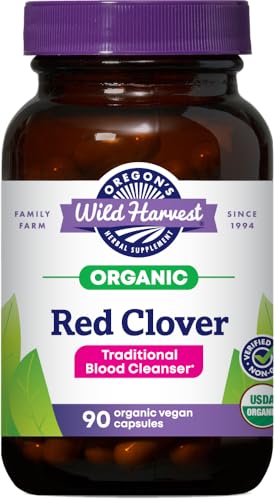
Choosing a Red Clover Supplement (Amazon Affiliate Section)
When searching for a red clover supplement, quality and standardization are paramount. Look for products that clearly state the amount of total isoflavones per serving.

Consider supplements that specify the extraction method and are from reputable brands with third-party testing for purity and potency. This ensures you are getting a consistent and safe dose.
Common forms include red clover isoflavone capsules, often standardized to contain a specific percentage of isoflavones. You might also find liquid red clover extracts or red clover tea bags, though the isoflavone content in teas can be less consistent.
Conclusion: An Evidence-Graded Perspective
Red clover isoflavones offer a promising, natural option for some women seeking relief from menopausal symptoms, particularly hot flashes. The scientific evidence, while not universally conclusive, suggests a modest benefit for many.
However, the phytoestrogenic nature of red clover demands a cautious and individualized approach. The potential risks, especially for individuals with a history of or at high risk for estrogen-sensitive cancers, cannot be overstated and require thorough medical consultation.
Always prioritize an open discussion with your doctor or a qualified healthcare provider before starting any new supplement, especially if you have underlying health conditions, are taking medications, or have concerns about cancer risk. Your health and safety are paramount.
Frequently Asked Questions About Red Clover Isoflavones
How long does it take for red clover to work for hot flashes?
Many women report noticing effects within 4-8 weeks of consistent use. However, individual responses can vary, and some studies suggest it may take up to 12 weeks to experience the full benefits.
Is red clover safe for long-term use?
Most studies have evaluated red clover for up to one year. While generally considered safe for this duration in healthy individuals, long-term safety data beyond one year is more limited. Always consult your healthcare provider for guidance on prolonged use.
Can men use red clover supplements?
Red clover is primarily marketed and studied for women’s health, particularly menopausal symptoms. Its phytoestrogenic effects mean it is not typically recommended for men without specific medical advice, as it could potentially interfere with hormonal balance.
What is the difference between red clover and black cohosh?
Red clover contains isoflavones, which are phytoestrogens that interact with estrogen receptors. Black cohosh, while also used for menopausal symptoms, is not a phytoestrogen; its mechanism of action is thought to involve neurotransmitters or other pathways, not estrogen receptors.
Can red clover interact with thyroid medication?
There is limited specific research on red clover’s interaction with thyroid medication. However, any supplement that influences hormone levels should be discussed with your doctor if you are taking thyroid medication. Monitoring thyroid function might be advised.
Does red clover help with weight gain during menopause?
While red clover may help with some menopausal symptoms, there is no strong scientific evidence to suggest it directly aids in weight loss or prevents weight gain during menopause. Weight management typically requires a combination of diet and exercise.
These statements have not been evaluated by the FDA. This product is not intended to diagnose, treat, cure, or prevent any disease.


References
- Red clover extract for alleviating hot flushes in postmenopausal women: a meta-analysis. Maturitas, 2014
- Phytoestrogens for menopausal vasomotor symptoms. The Cochrane database of systematic reviews, 2013
- Evaluation of Clinical Meaningfulness of Red Clover (Trifolium pratense L.) Extract to Relieve Hot Flushes and Menopausal Symptoms in Peri- and Post-Menopausal Women: A Systematic Review and Meta-Analysis of Randomized Controlled Trials. Nutrients, 2021
- Intake of Novel Red Clover Supplementation for 12 Weeks Improves Bone Status in Healthy Menopausal Women. Evidence-based complementary and alternative medicine : eCAM, 2015
- Effects of phytoestrogens on bone mineral density during the menopause transition: a systematic review of randomized, controlled trials. Climacteric : the journal of the International Menopause Society, 2016
- Effects of red clover (Trifolium pratense) isoflavones on the lipid profile of perimenopausal and postmenopausal women-A systematic review and meta-analysis. Maturitas, 2020
These statements have not been evaluated by the Food and Drug Administration. This information is not intended to diagnose, treat, cure, or prevent any disease. Content is for informational purposes only and is not medical advice; consult a qualified healthcare provider before starting any supplement. As an Amazon Associate we earn from qualifying purchases.
